
In many marginalized communities, young people grow up surrounded by limitations instead of opportunities. Limited access to quality education, restricted employment options, social exclusion, and economic hardship often shape their early realities.
But youth are not defined by their environment. They are defined by the opportunities they are given.
Empowering young people in underserved areas is not charity. It is long-term community investment.
Breaking the Cycle of Limited Opportunity
In communities facing structural poverty and displacement, such as parts of Jordan including areas like Jerash Refugee Camp, youth often encounter systemic barriers. These barriers include under-resourced schools, limited career guidance, and restricted access to professional networks.
Youth empowerment programs address these gaps by providing:
- Skills-based training aligned with market needs
- Career orientation and mentorship
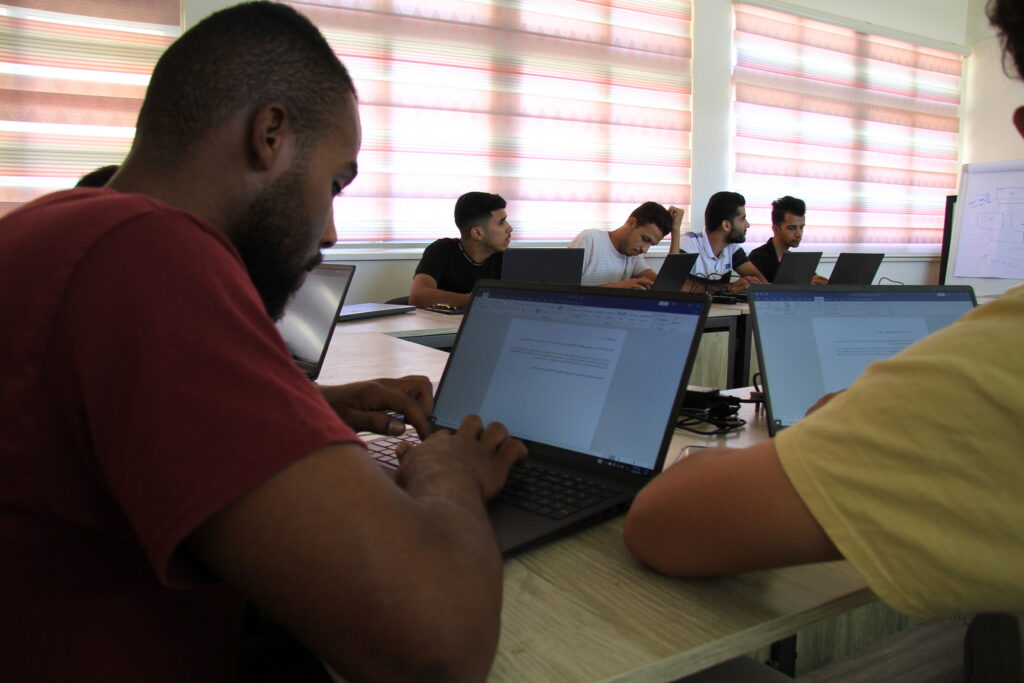
- Access to digital literacy and language development
- Safe community spaces for growth
When young people gain practical skills and confidence, they move from dependency to agency.
Building Confidence and Identity
Marginalization does not only affect income. It affects identity. When society constantly signals limited expectations, young people begin to internalize them.
Empowerment initiatives challenge this narrative. Through leadership programs, cultural exchange, and peer engagement, youth begin to see themselves as contributors, innovators, and decision-makers.
Confidence is not abstract. It directly impacts participation in education, entrepreneurship, and civic engagement.
Economic Empowerment as Stability
Youth unemployment remains one of the most pressing challenges in vulnerable communities. Without viable pathways to employment or entrepreneurship, frustration and disengagement increase.
Targeted vocational training, soft skills development, and business incubation programs provide practical tools for financial independence. Economic empowerment reduces vulnerability and strengthens entire households.
Psychosocial Support as a Foundation
Empowerment cannot succeed without emotional wellbeing. Many youth in marginalized settings carry stress related to displacement, instability, or prolonged uncertainty.
Integrating psychosocial support into youth programs ensures that empowerment is holistic. Skills training without mental resilience is incomplete.
From Beneficiaries to Leaders
The most powerful transformation occurs when youth shift from being program recipients to community leaders. When they facilitate workshops, mentor peers, or initiate community projects, empowerment becomes sustainable.
Investing in youth is not about solving a short-term problem. It is about reshaping long-term trajectories.
Because when young people in marginalized communities are equipped with skills, confidence, and support, they do not just change their own lives.
They change the direction of their communities.