
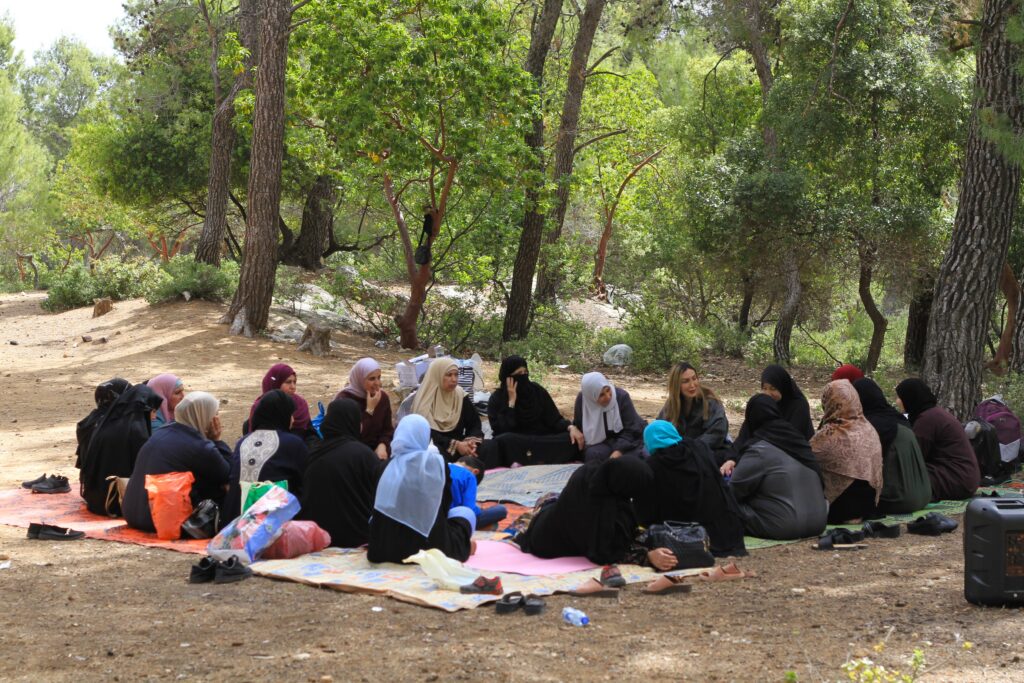
In Jordan, including communities such as Jerash Refugee Camp, displacement carries long-term emotional consequences. And for many Palestinians stranded outside Gaza Strip due to ongoing conflict and border closures, the uncertainty is even more severe. Being unable to return home, separated from family, and living in prolonged limbo creates a different kind of trauma, one rooted in waiting without answers.
Trauma Does Not Expire
Refugees and those stranded by conflict often carry experiences of war, sudden loss, forced displacement, and prolonged instability. Trauma does not simply fade with time. It can manifest as anxiety, depression, chronic stress, sleep disturbances, and emotional withdrawal.
Mental health support provides structured spaces where individuals can process these experiences safely. It helps them understand that their reactions are normal responses to abnormal circumstances.
The Psychological Weight of Uncertainty
For those stuck outside Gaza, the distress is compounded by uncertainty. Not knowing when or if they can return, worrying about loved ones still inside, and navigating legal and social insecurity intensify psychological strain.
Prolonged uncertainty is not neutral. It exhausts resilience. Without psychosocial support, it can lead to hopelessness and long-term mental health challenges.
Protecting Children and Youth
Children exposed to displacement or conflict-related stress are especially vulnerable. Trauma can appear through behavioral changes, academic decline, aggression, or silence.
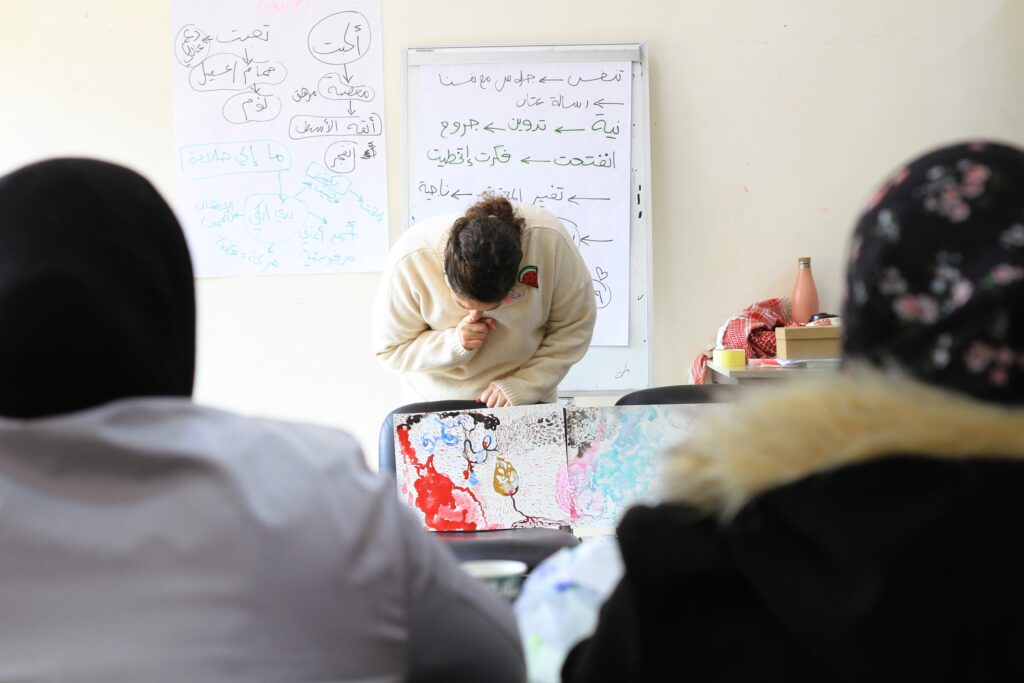
Psychosocial programs in community spaces and schools create safe environments where children can express emotions, rebuild trust, and develop coping skills. Early intervention prevents deeper harm.
Strengthening Community Stability
Mental health is not only an individual issue. Communities under chronic stress are more fragile. Supporting psychological wellbeing improves social cohesion, increases participation in education and work, and reduces tension.
When emotional wounds are acknowledged and treated, communities become more stable and resilient.
Preserving Dignity
Humanitarian assistance must go beyond physical survival. Food and shelter are essential, but dignity requires emotional care as well.
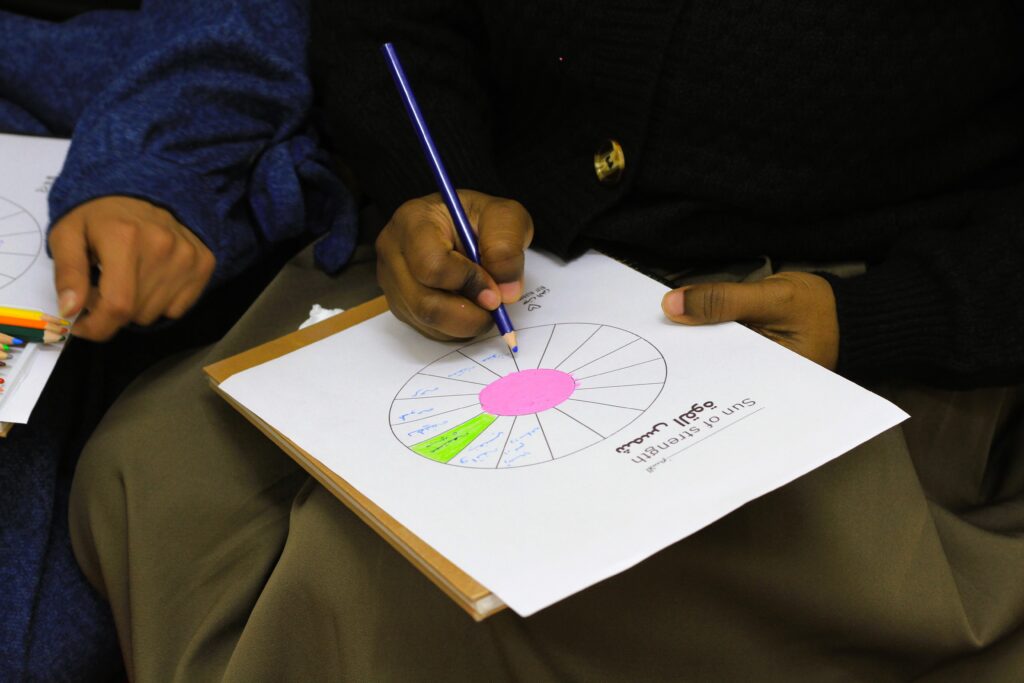
Mental health and psychosocial support are not secondary services. They are foundational investments in healing, resilience, and long-term recovery.
Because survival keeps people alive. Healing allows them to live.